Strait of Hormuz Crisis: Europe's Dilemma Amid Iran War Escalation
The Middle East simmers on the precipice of a wider regional conflict, now entering its third brutal week. What began as a series of wide-ranging strikes launched by the U.S. and Israel against Iran on February 28th has rapidly escalated, transforming into a devastating war with profound global repercussions. As the latest news Iran war updates flood in, one geographical chokepoint has emerged as a critical flashpoint: the Strait of Hormuz. This narrow waterway, a lifeline for global energy supplies, now stands at the heart of Europe's geopolitical dilemma, caught between the urgent need to secure its economic interests and the complex politics of engaging in a volatile conflict.
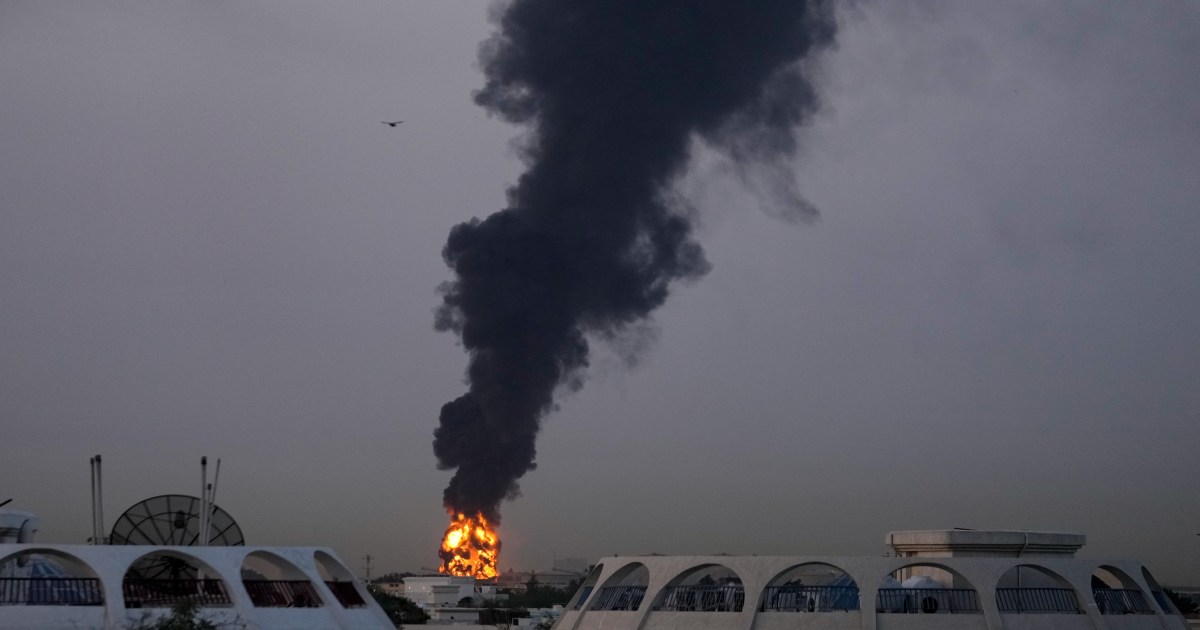
Reports of fresh strikes across the Middle East, with Iran hitting back against energy infrastructure and Tehran enduring intense attacks, paint a grim picture. Amidst this spiraling violence, Iran has issued a chilling threat: it will "set fire" to any ships attempting to navigate the world's most vital oil transit point. This declaration has sent shockwaves through international markets and diplomatic circles, forcing European leaders to confront a precarious balancing act.
The War's Widening Impact: Economic Fallout and Humanitarian Strain
The direct military clashes between the U.S.-Israel axis and Iran are just one facet of this burgeoning crisis. The economic ripple effects are already being felt globally, reaching far beyond the immediate conflict zones. One of the most immediate and tangible consequences has been the dramatic surge in energy prices. Brent crude, the international benchmark for oil prices, has hovered stubbornly around the $100 a barrel mark, while U.S. gas prices continue their upward trajectory. This isn't merely an inconvenience; it threatens to destabilize economies worldwide.
The impact on transportation has been particularly severe. Jet fuel prices have skyrocketed, leading to mass disruption of flights across the Middle East and the UAE. Tales of inconvenience, like hundreds of passengers spending 11 hours on a "flight to nowhere" after being forced to return to Edinburgh, underscore the widespread chaos. Beyond the skies, consumers are bracing for potentially higher petrol costs, increased household energy bills, and even rising food prices as supply chains become more expensive and unreliable. For a deeper dive into these economic pressures, read our article: How Iran War Drives Up Gas Prices & Threatens Global Oil Supply.
Beyond economics, the human toll is immense. Reports from Tehran and Karaj describe an populace exhausted and struggling to sleep after weeks of relentless Israeli and U.S. attacks. The conflict has even transcended borders in unexpected ways, with Iranian footballers reportedly granted visas to stay in Australia amidst concerns they would face repercussions at home if they returned. Meanwhile, the U.S. President Donald Trump, citing the war, has requested a delay for his planned trip to China, illustrating how deeply the conflict has permeated international diplomacy and domestic priorities.
Despite President Trump's claims of significant reductions in Iranian ballistic missile launches and drone attacks following thousands of strikes across Iran, Tehran's attacks continue to target both Israel and America's Gulf allies. Iran's top diplomat has also indicated no desire to negotiate, directly countering President Trump's earlier assertion that Iran had sought a ceasefire. This hardened stance from both sides underscores the dwindling odds of a quick resolution, increasing the political stakes for all involved parties.
Europe's Precarious Position: Navigating the Geopolitical Minefield
At the core of the Strait of Hormuz crisis is Europe's unenviable position. European leaders are undeniably hesitant to outright support President Trump's call to help secure the Strait of Hormuz, yet they also acknowledge that inaction is simply not an option. This dilemma stems from a complex interplay of historical policy, economic dependency, and strategic calculus.
Historically, Europe has often sought a more diplomatic path with Iran, aiming to preserve the Joint Comprehensive Plan of Action (JCPOA) and de-escalate regional tensions. Aligning too closely with the U.S. and Israeli military stance risks alienating Tehran further and being dragged deeper into a conflict that is not directly of their making. There's also the memory of past interventions and their unintended consequences, fostering a cautious approach.
However, the economic reality is stark. Europe is heavily reliant on oil and gas transiting the Strait of Hormuz. A prolonged blockade or severe disruption would plunge the continent into an energy crisis, with devastating effects on industries and households. This makes securing freedom of navigation through the Strait a paramount national interest for almost every European nation.
Amidst this, there have been signs of European deliberation. Sir Keir Starmer, for instance, has stated that the UK is working with allies on a plan to protect the Strait. Experts like Ben Chu from BBC Verify have even begun analyzing the potential role of the Royal Navy in such an endeavor. Yet, the path forward is fraught with challenges. The U.S. President's public "jabs" at the UK prime minister do little to foster the unity needed for a cohesive international response, while President Putin's attempts to position himself as a mediator face an uphill battle given the entrenched positions.
The situation demands a delicate balance: how can Europe safeguard its energy security without becoming irrevocably entangled in a conflict that risks wider regional destabilization? It's a question that weighs heavily on policymakers as the latest news Iran war headlines continue to highlight increasing pressure and deepening complexity.
Protecting the Lifeline: Strategies for Securing the Strait of Hormuz
President Trump has been vocal, urging nations that depend on oil exported through the Strait of Hormuz to "come and help us with the Strait." This plea underscores the global nature of the crisis and the immense logistical challenge of securing such a vital, yet vulnerable, waterway. Iran's explicit threat to shipping makes freedom of navigation through the Strait of Hormuz a critical international security concern. As the conflict intensifies, with the U.S. planning to deploy as many as 5,000 additional forces to the Middle East and President Trump threatening to attack vital Iranian oil infrastructure, the risk of escalation within the Strait itself grows exponentially.
Securing the Strait could involve a multifaceted approach, potentially including:
- International Naval Coalitions: A multinational force providing escorts for commercial vessels, deterring attacks, and maintaining a visible presence. This would require significant coordination and agreement on rules of engagement, which can be challenging among diverse nations.
- Enhanced Surveillance: Utilizing advanced aerial and maritime surveillance to monitor Iranian activity and pre-empt potential attacks.
- Diplomatic Pressure: While military options are discussed, sustained diplomatic pressure from a united international front remains crucial to de-escalate tensions and seek "off-ramps" – a standard part of war planning that provides avenues to de-escalate if the president chooses.
- Alternative Routes: Though not a direct security measure for the Strait, the existence and operation of alternative energy transit points reduce reliance on Hormuz. The port of Fujairah in the UAE, for example, plays a crucial role in helping keep global supplies moving when the Strait is blocked, offering an overland pipeline route that bypasses the chokepoint.
Each of these strategies comes with its own set of challenges and risks, particularly the danger of miscalculation leading to a direct confrontation within the Strait. The prospect of Iran "setting fire" to ships raises serious concerns about the safety of international maritime trade and could trigger a severe global economic shock. For more comprehensive updates on the ongoing military actions and responses, see: Middle East Conflict: US-Israel Strikes & Iran's Response Week 3.
Conclusion
The Strait of Hormuz crisis, exacerbated by the ongoing Iran war, represents a pivotal moment for global security and economic stability. Europe finds itself in an acutely uncomfortable position, compelled to protect its vital energy interests while navigating a complex geopolitical landscape shaped by U.S.-Israeli military actions, Iranian retaliation, and the specter of wider conflict. The economic fallout, from soaring energy prices to widespread travel disruptions, is already a tangible reality for millions. As the prospects for a quick resolution dwindle, the international community must grapple with the urgent need for both robust security measures to ensure freedom of navigation and sustained diplomatic efforts to de-escalate what is fast becoming one of the most significant geopolitical challenges of our time. The balancing act is precarious, and the stakes could not be higher.